TEXTILE TRANSFER PRINTING – Screen Printing in Munich – ARSONISTS – Textile Printing and Screen Printing

In addition to direct screen printing, we also offer transfer printing in the heart of Munich. Transfers are a high-quality way to finish textiles that are difficult to print on and are often used for polyester, blended fabrics, or areas that are hard to print on. Within transfer printing, there are various types of printing methods. These include flex printing, flock printing, plastisol transfer printing, digital transfer printing, screen printing transfers, and sublimation printing. Based on your project, we select the appropriate method to achieve the highest possible quality at the best possible price.

HOW TRANSFER PRINTING WORKS IN DETAIL

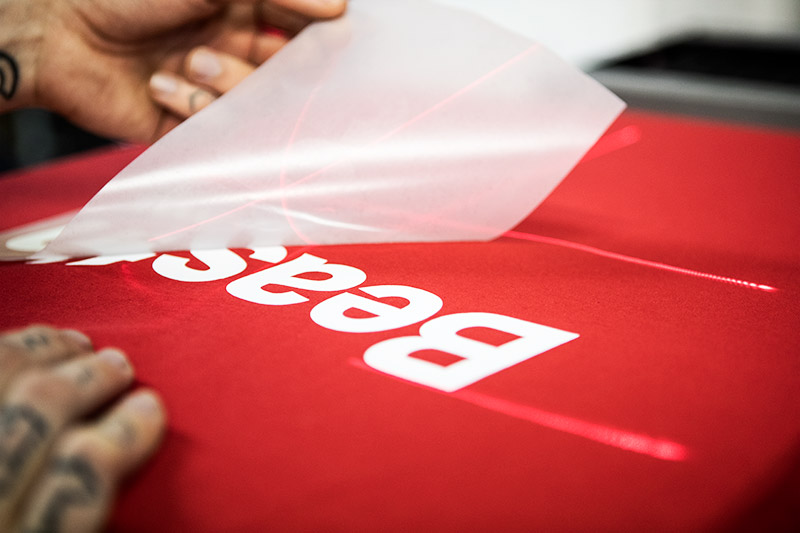
In transfer printing, a heat press is used to transfer ink or foil from a carrier material—usually transfer paper—onto the textile. Transfers are created using various techniques; the main distinctions are between digital print transfers, screen-printed transfers, and flex transfers. In the first case, a layer of ink is printed in reverse on transfer foil using digital or screen-printing methods and coated with an adhesive layer, which is fused under heat to bond with the ink. The adhesive is tailored to the textiles to be decorated to ensure optimal adhesion. In contrast, in flex transfers, a special film is contour-cut using a plotter and lifted from the transfer paper.

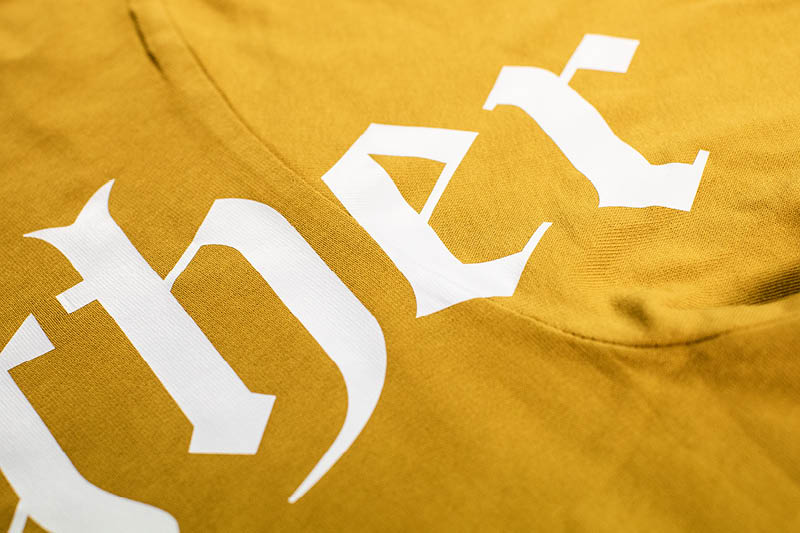
One advantage of using transfer printing on textiles is the ability to print in areas that cannot be printed on using direct printing methods. For example, this allows for printing across a side seam on a T-shirt.

OVERVIEW OF TRANSFER PRINTS

In this overview, we compare the main types of transfer printing.

FLEX AND FLOCK PRINTING

Flex printing is another option for customizing your textiles, even in small quantities. In addition, flex printing is primarily used for hard-to-print polyester textiles such as rain jackets or coach jackets. This printing method produces vibrant colors and perfect coverage in areas where it is difficult to achieve bold colors with screen printing. As an alternative to screen printing, flex printing involves heat-pressing special films onto the fabric. There is a wide variety of foils and special effect foils that would not be possible with direct printing. It is important to note that only vectorized shapes can be plotted. In addition to flex foil, a transfer print can be ironed on. This is printed first and coated with an adhesive layer. It is then pressed directly onto the fabric under heat, just like with flex printing.

SCREEN PRINTING TRANSFER

In addition to our standard screen printing , we also offer screen-printed transfer prints. These are characterized by crisp lines and beautiful color reproduction. In transfer printing, the design to be printed is exposed in reverse on the screen and printed onto a film, which is fused onto the fabric under heat using an adhesive layer. The resulting plastisol transfers are heat-pressed onto the corresponding textile using a transfer press. With screen printing transfers, even finer lines and edges can be achieved than with direct screen printing, because here the design is printed onto a film as if on paper, and the fabric’s texture does not affect the print result. Another common application of this printing method is for neck labels displaying size and care instructions. Color fastness according to Pantone is another advantage of screen printing.

DIGITAL TRANSFER PRINTING

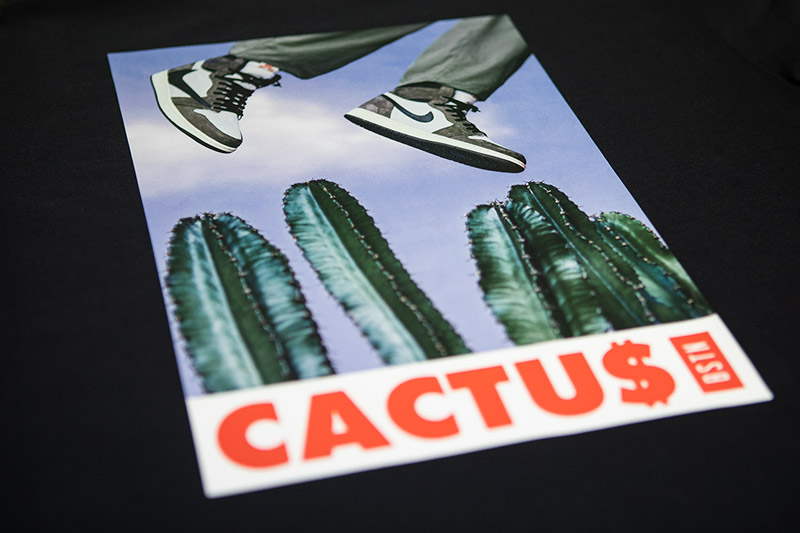
A distinction is made between screen printing transfers and digital transfer printing. In digital transfer printing, the ink is applied using digital printing, and the number of colors is irrelevant. Since there are no limits on the number of ink colors, this method is often used to reproduce photos or designs with many colors. Digital transfer printing is also a good solution for achieving a high-quality print result on difficult-to-print materials, including all types of textiles.

DIGITAL PLASTISOL TRANSFER

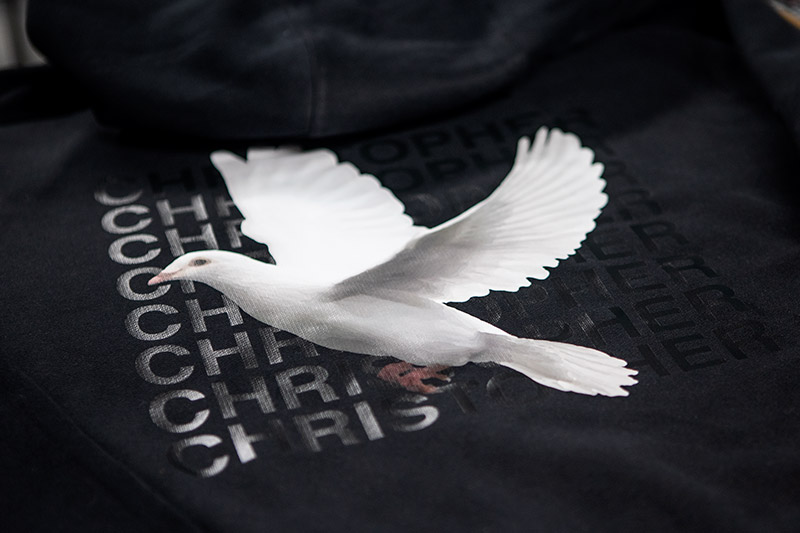
Digital plastisol transfer combines these two printing methods. It leverages the strengths of both processes to achieve a perfect transfer result. Specifically, the design is pre-printed digitally, and in the next step, a white carrier layer is screen-printed and then fused with the adhesive. This allows us to leverage both the color variety of digital printing and the positive characteristics of screen printing—opacity, elasticity, and wash resistance. We therefore offer digital plastisol transfers for textiles that are difficult to print on directly.

EXAMPLES OF PLASTISOL SCREEN PRINTING AND TRANSFER PRINTING

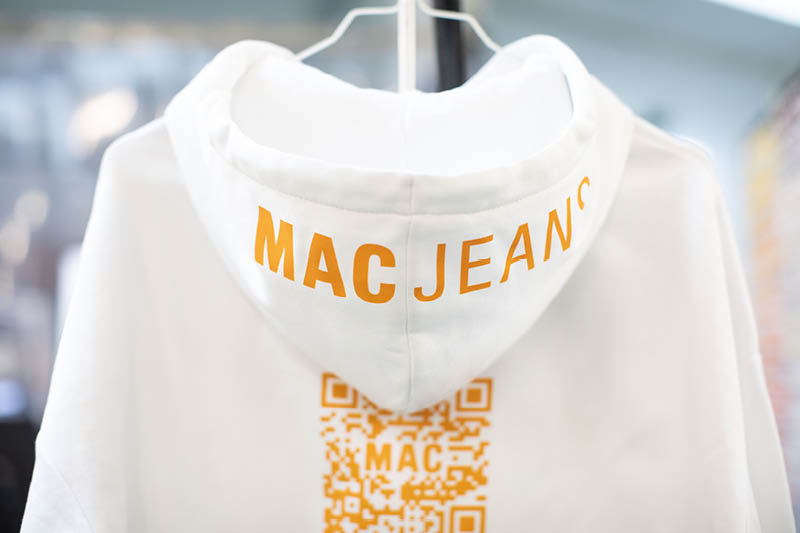
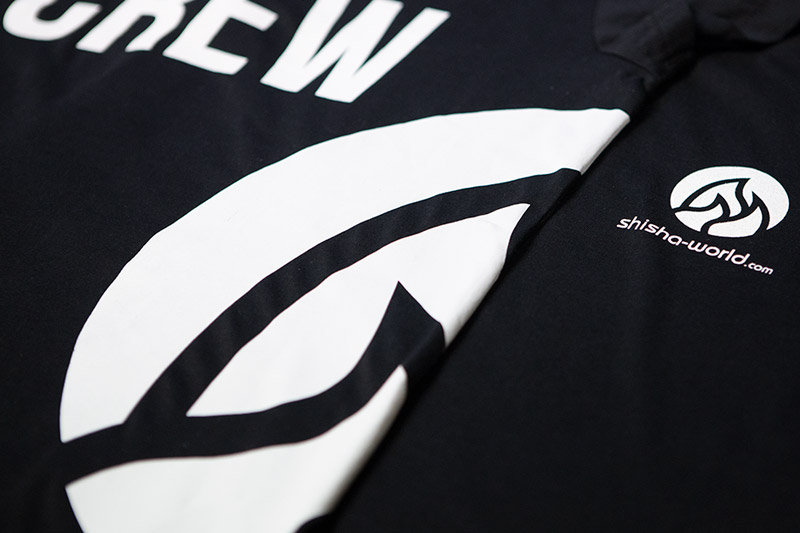
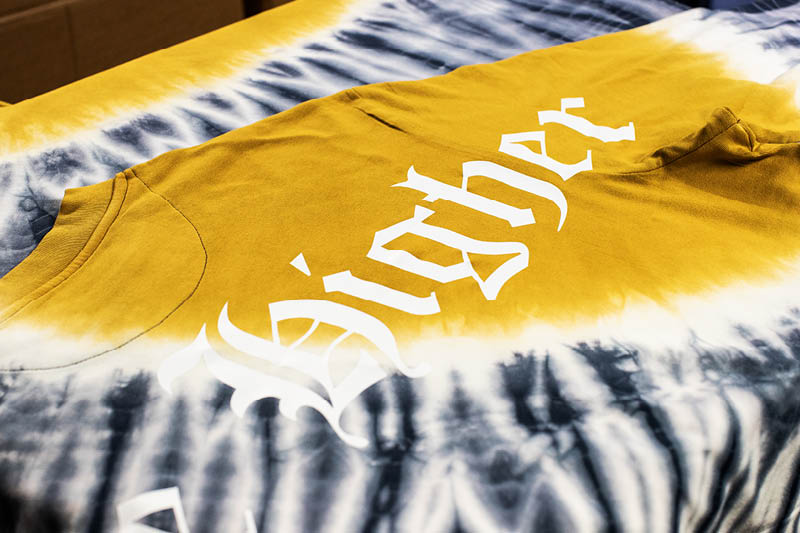
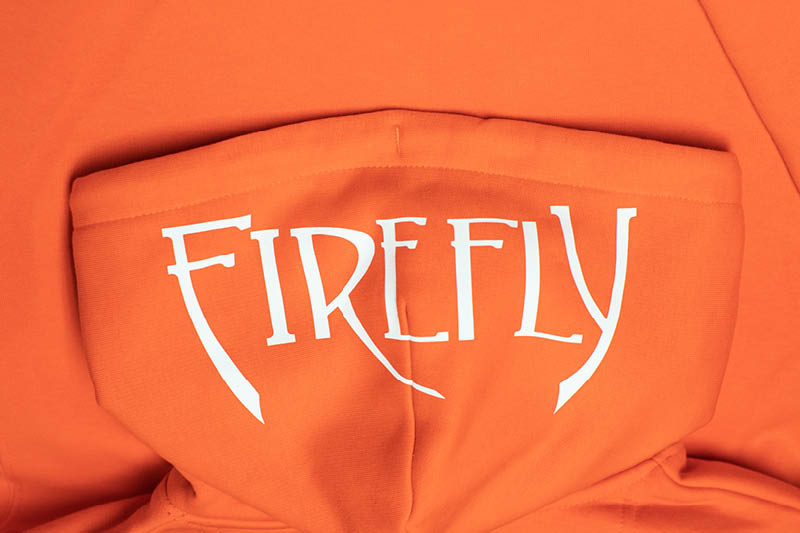
Screen printing is ideal for placing designs on the hood and other areas near the seams.

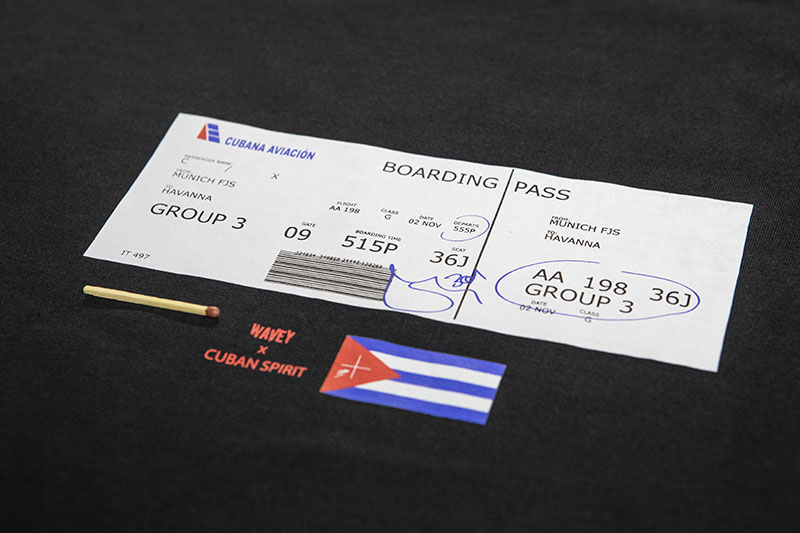
Heat-pressed plastisol transfer across the side seam and screen-printed front and back designs on a Stanley Stella T-shirt.

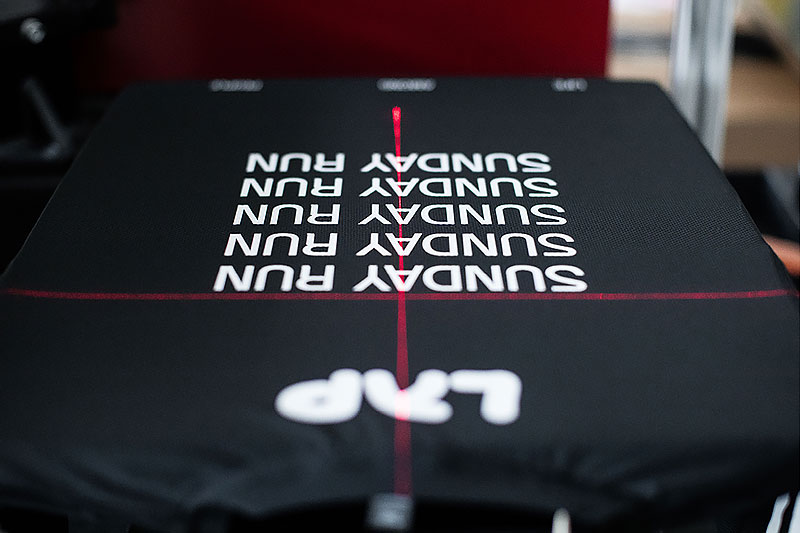
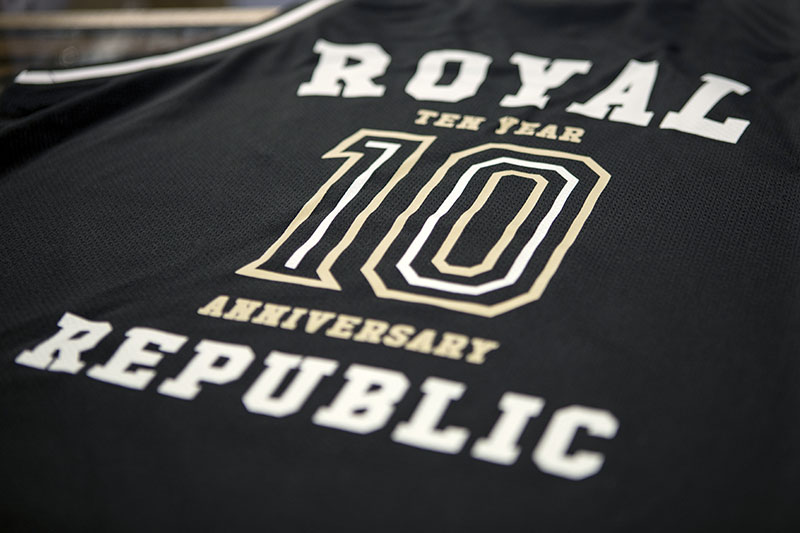
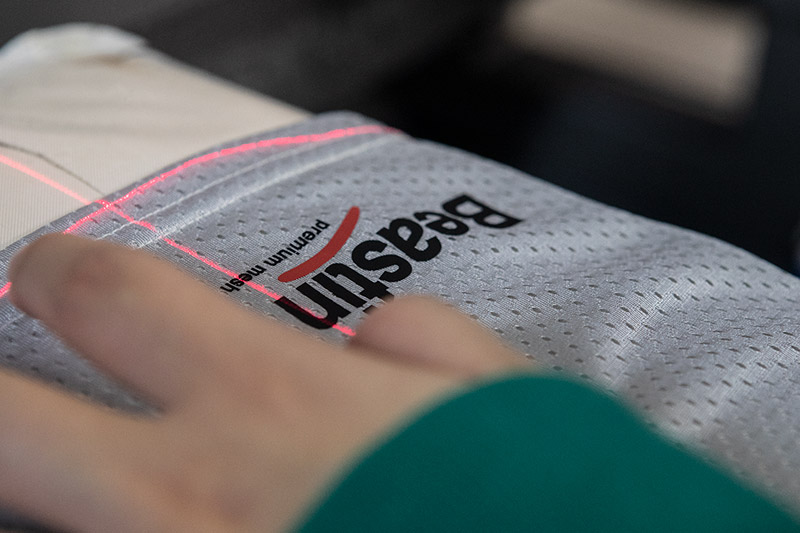
We have finished this polyester tank top with a two-color plastisol screen-printed transfer. The results look great even on a perforated fabric.

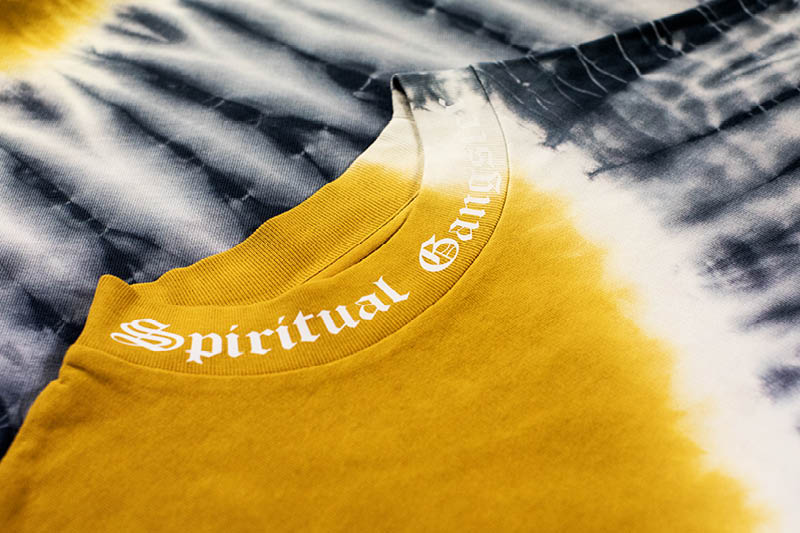
This multicolored plastisol transfer was also created using screen printing and features vibrant colors and crisp edges on a cotton T-shirt.

TRANSFER PRINTING AS A WAY TO PRINT ACROSS SEAMS AND ON THE COLLAR

EXAMPLES OF SPECIAL EFFECT FILMS

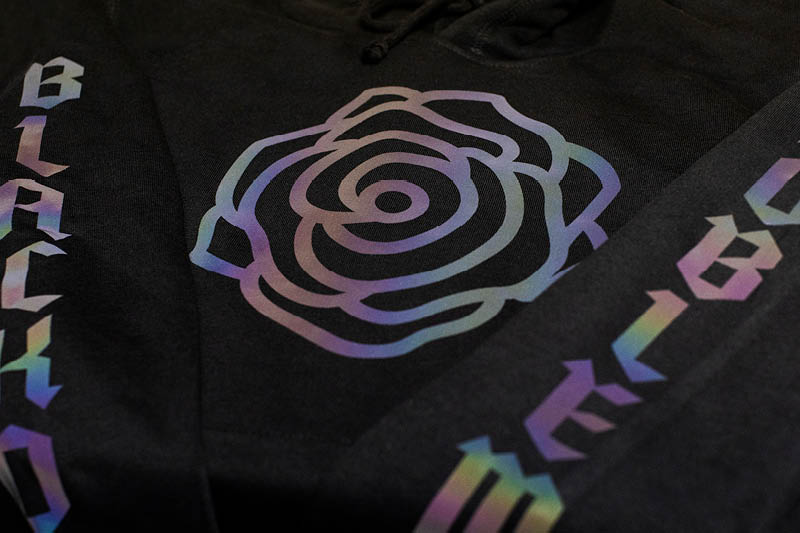
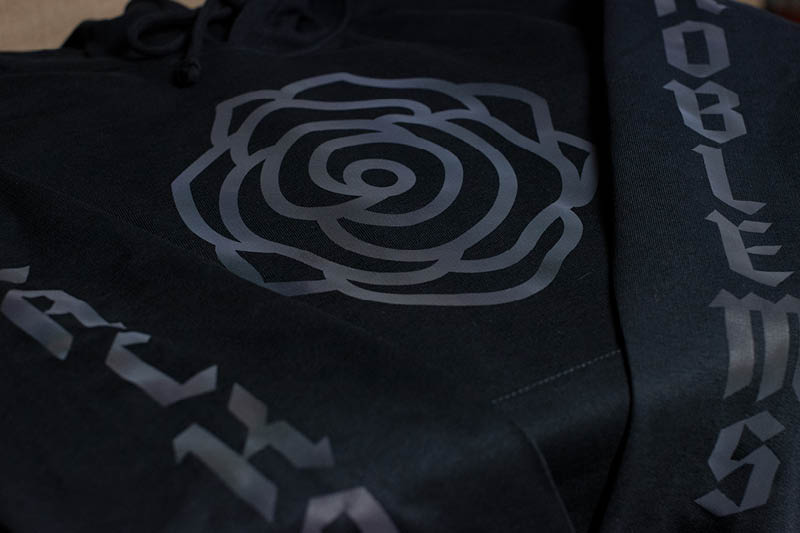
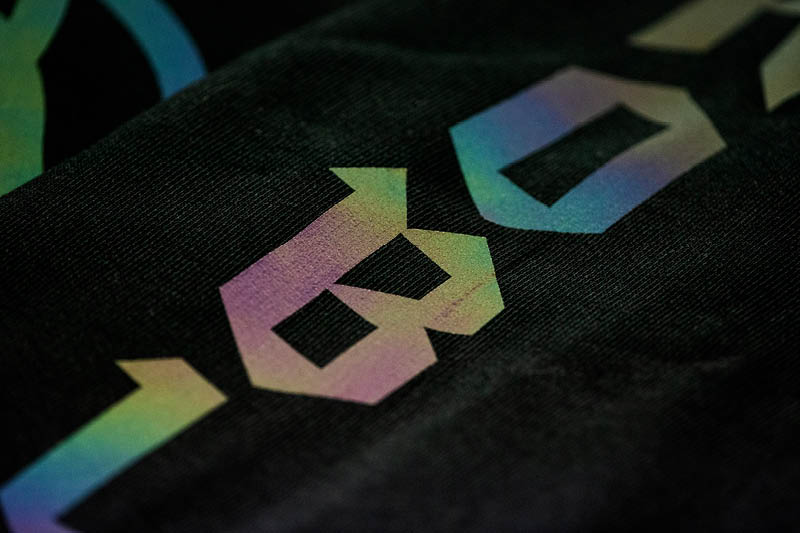
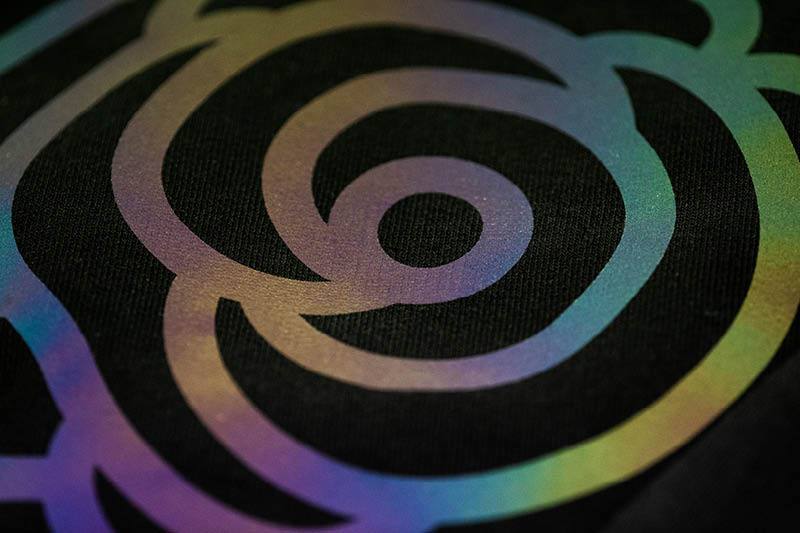
Black holographic film

Special reflective black flex film applied to Fairtrade hoodies. Depending on the angle of the light, the film reflects the full spectrum of colors.

When viewed head-on, the printed fabric has a matte black finish.

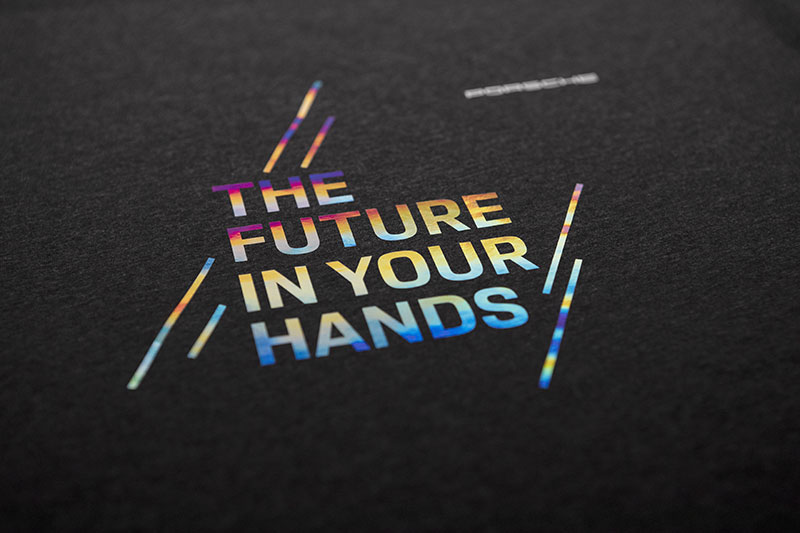
Rainbow holographic film

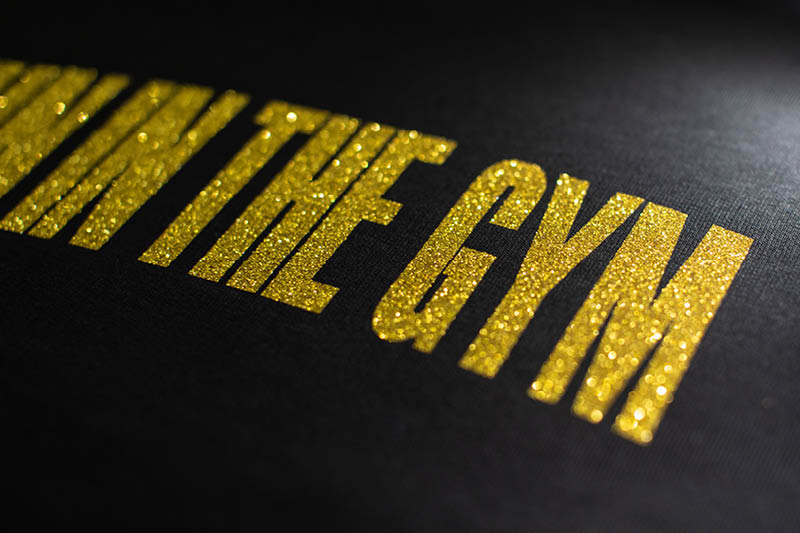
Glitter Effect Film

Stanley Stella's Fairtrade T-shirts were embellished using flex printing with this special rainbow hologram effect film.

Golden glitter foil reflects light beautifully and has a metallic sheen.

EXAMPLES OF FLEX PRINTING ON T-SHIRTS AND OTHER TEXTILES

Flex printing used to perfect effect across the seam of a hoodie hood.

Two-color flex transfer on basketball shorts.

Matching flex transfer applied to the back of the neck.

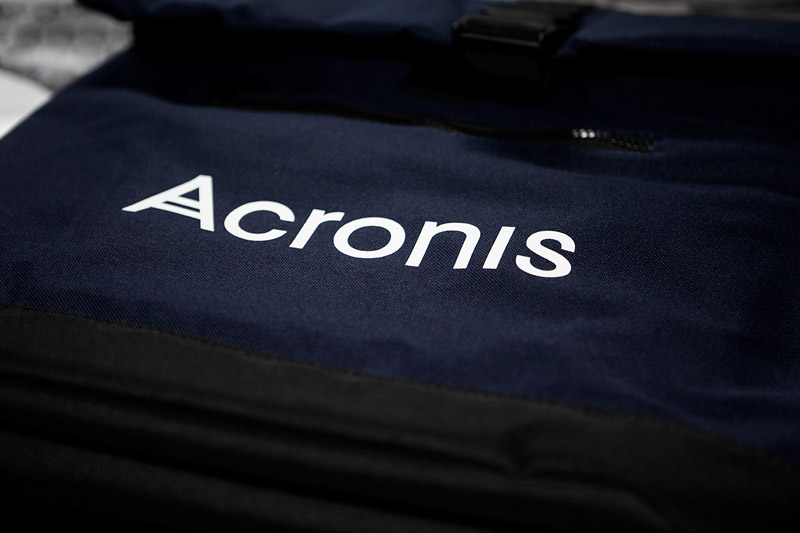
Flex print heat-pressed onto a backpack

DIGITAL PLASTISOL TRANSFERS ARE IDEAL FOR MULTICOLORED DESIGNS

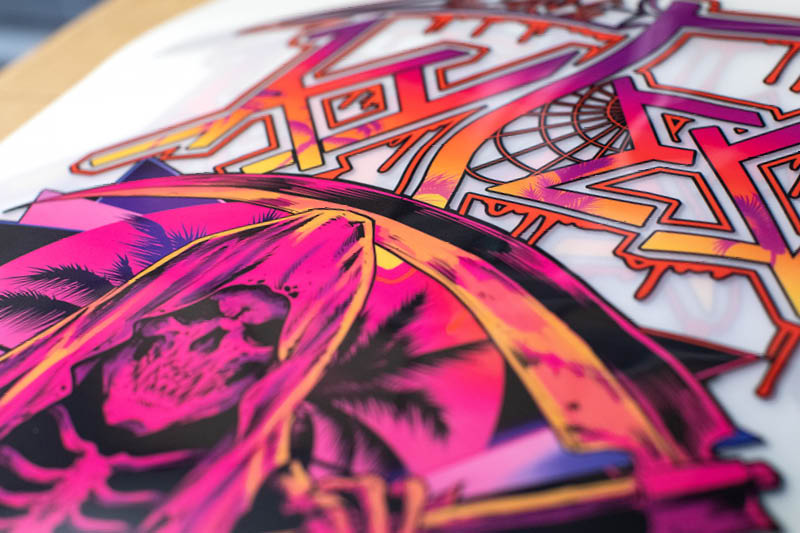
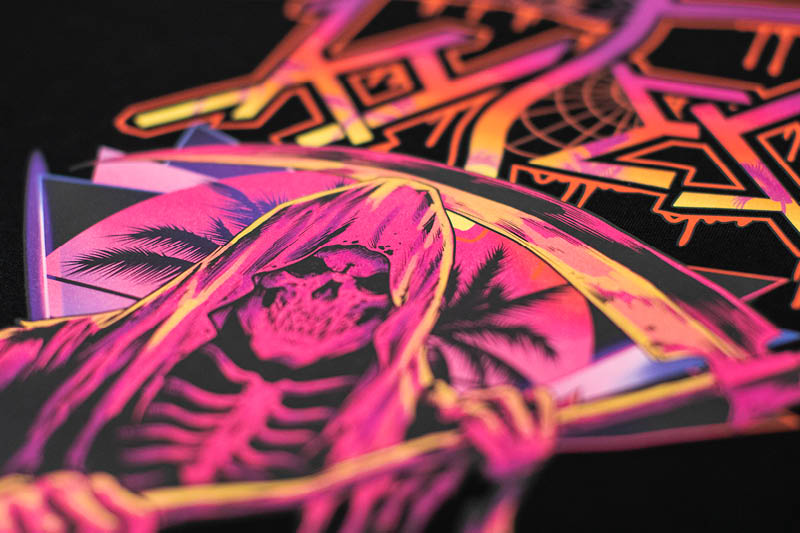
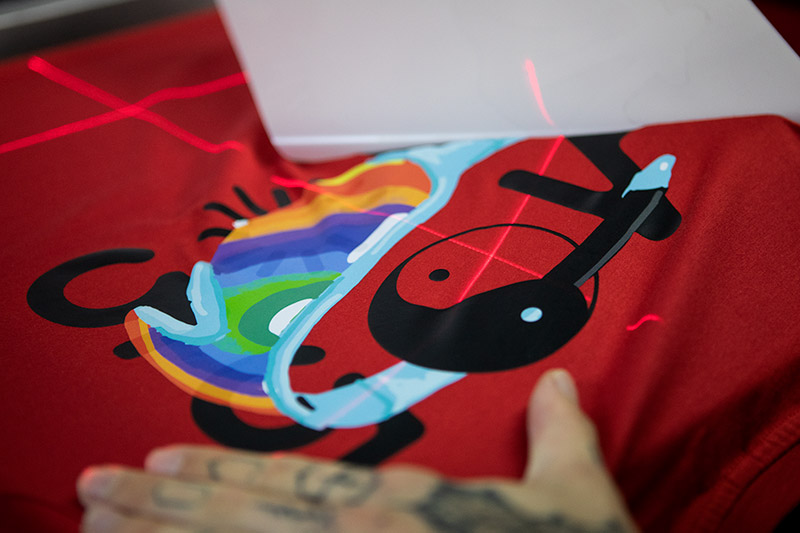
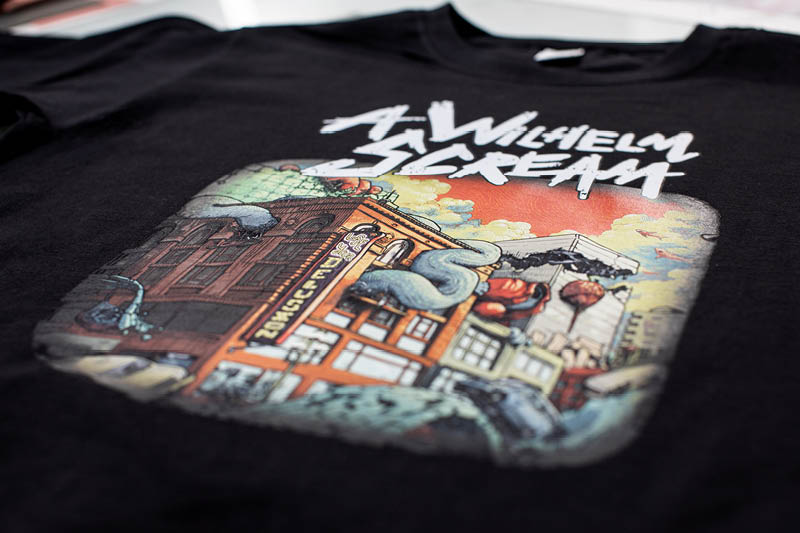
For orders of 50 or more, digital plastisol transfer is the best option for multicolor designs or photo prints. The transfer is digitally pre-printed in multiple colors and then backed with screen printing. This combination ensures the best results when applying the print and provides exceptional wash resistance.

Digital plastisol transfer completed and ready for application

Finished transfer-printed textile on Fairtrade fabric

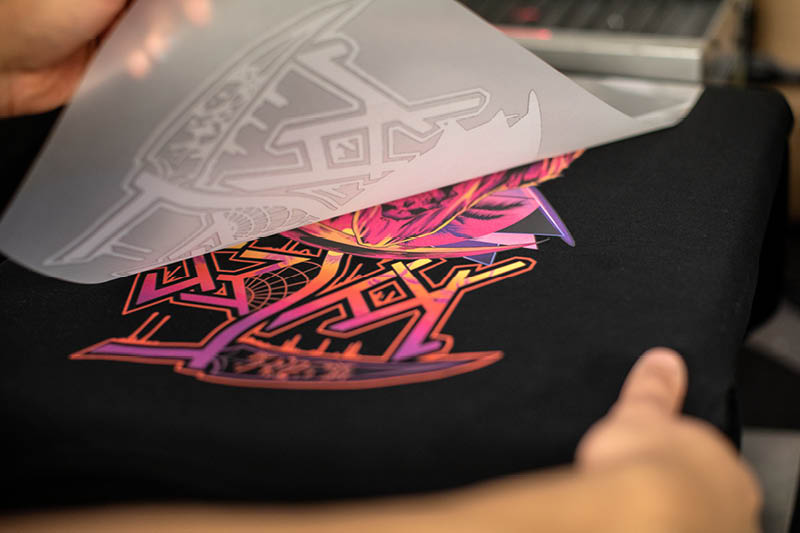
Heat-transferred digital plastisol transfer as the backing film is peeled off

Examples of digital plastisol transfers

Digital plastisol transfers with a wide color range applied to cotton hoodies.

Multicolor digital plastisol transfer combined with screen printing, printed on a Continental Clothing hoodie.

Examples of digital transfer

Digital transfer printing is suitable for designs with many colors

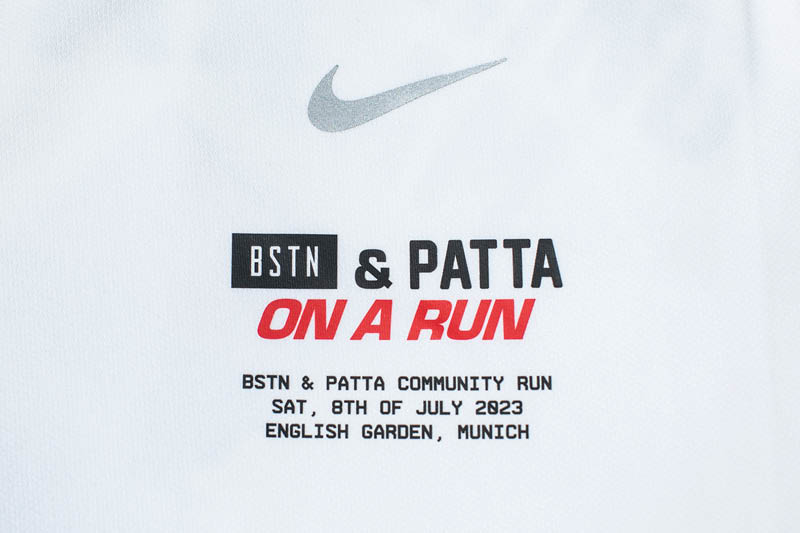
Transfer printing produces perfect results even on dark T-shirts.

* Required field
Design preview
Send us a preview of your design showing the position and size of the print so we can send you a quote as quickly as possible. Limit 2MB / Accepted formats: *.JPG *.PDF *.PNG *.EPS *.AI
Google Review
Based on 115 reviews